ZEB Lab
Storing solar energy in a zero-emission lab
Trondheim
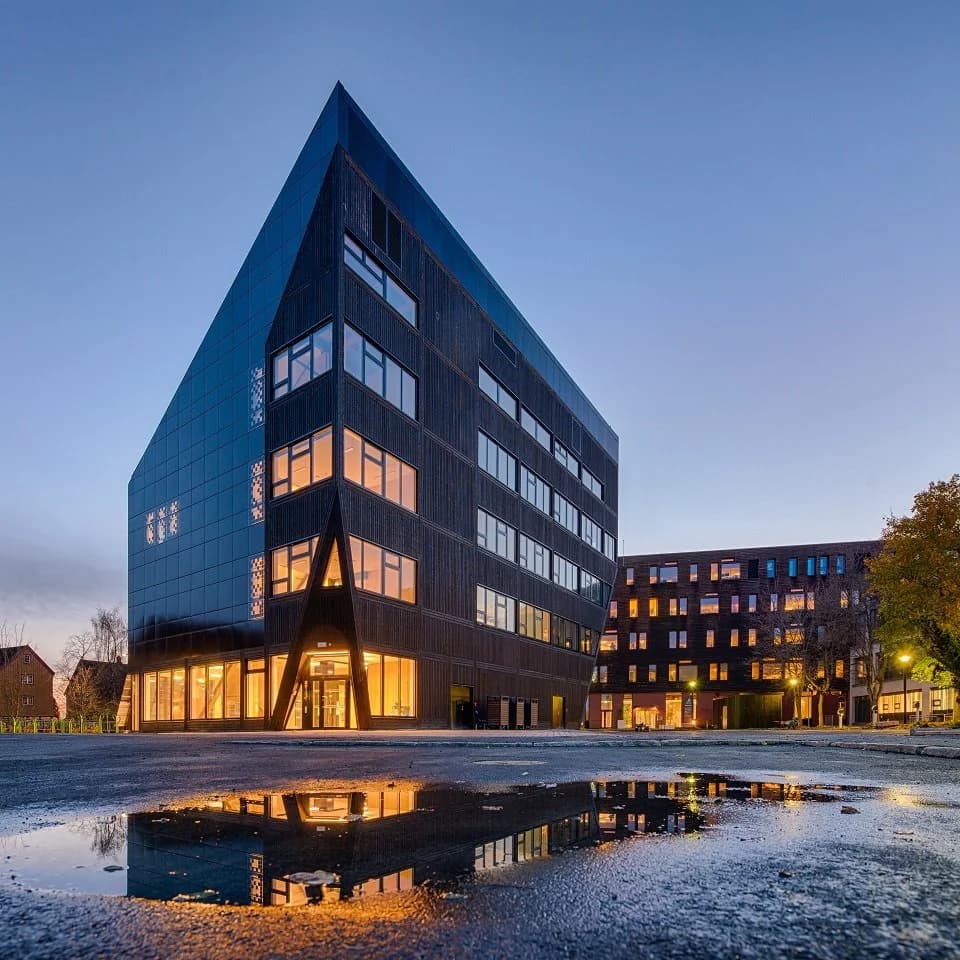
- stored on-site
- Solar+
- balance achieved
- ZEB
- open dataset
- R&D
Common questions
Got questions about thermal storage?
From PCM chemistry and lifetime to indoor vs outdoor installs and typical payback — the answers are in the full FAQ.
Read all questionsWhat is thermal energy storage?
The term is used when storing energy as heat or cold, which can be released at a later stage. The heat or cold is usually stored when energy is cheap and then released when the heating or cooling demand is at a peak or the cost of energy is high.
What is PCM?
PCM means Phase Change Material and refers to any material that changes state, for example from solid to liquid, when reaching a certain temperature. This phase change enables large amounts of energy to be absorbed or released. Water is one PCM, storing cold at zero degrees Celsius by changing phase to ice. Cartesian uses a wide variety of other materials, such as bio-based waxes, to store heat or cold at different temperatures.
Is the Thermal Box and the PCM flammable?
For applications with HVAC systems, Cartesian's Thermal Box is not considered flammable. While some PCM might be flammable when they reach temperatures above 100 °C or more, the Thermal Box is designed to eliminate any risks of reaching flammability conditions in operations.
Are PCMs safe?
Cartesian offers only safe PCMs and primarily uses bio-based PCMs in the Thermal Box. The PCM will stay in the Thermal Box for its whole lifetime and is not consumed during operation. The Thermal Box is also designed to avoid any risk of PCM leakage.
Let's build the smarter grid